


Richmond sits south of Vancouver and next to YVR. The cost of living in Richmond, BC, is high, slightly lower than downtown Vancouver, but still heavy for most newcomers. This guide gives a breakdown of housing, groceries cost, utilities cost, transportation cost, childcare, healthcare, and lifestyle spending so you can plan a realistic monthly budget.
Overview of Cost of Living in Richmond
For a single renter, the all-in cost of living in Richmond is typically around 2,200 to 2,400 USD per month, including rent. A family of four usually spends 4,800 to 5,000 USD per month with moderate choices, no luxury extras.
These totals already bundle rent, food, transport, childcare, and some entertainment, so they work as a quick view of average monthly expenses in Richmond. Couples usually sit between those ends, with total costs around 3,300 to 3,800 USD per month, depending on rent and car use.
For a deeper feel for lifestyle and safe neighborhoods in Richmond BC, you can pair these numbers with our local guide, Is Richmond BC A Good Place To Live?
Housing and Rental Costs In Richmond
Housing drives most questions about the cost of living in Richmond, BC. Richmond leans toward condos and apartments, with townhomes and houses at higher prices.
Rooms in shared units or basement suites usually cost 650 to 900 USD, studios 1,100 to 1,500 USD, 1-bedrooms 1,200 to 1,900 USD, 2-bedrooms 1,900 to 2,400 USD, and townhomes or small houses 2,400 USD or more for typical housing costs in Richmond.
Apartment prices in Richmond vary a lot by neighborhood. Steveston, Terra Nova, and towers around Richmond Centre sit near the top of each band, while parts of East Cambie, Bridgeport, and Hamilton usually offer more affordable areas in Richmond that still feel like safe neighborhoods in Richmond BC.

Utilities and Internet Costs
For a typical apartment, the utilities cost for electricity, heating, water, and services often falls around 110 to 130 USD per month. Internet usually costs around 45 to 50 USD, and as for phone plan cost, with plenty of data, it adds 40 to 45 USD.
That means a single person or couple can expect around 180 to 220 USD per month for utilities, mobile, and internet costs in Richmond, combined. Families in larger units normally see totals closer to 200 to 250 USD in their average monthly expenses in Richmond.
Groceries Cost and Food Prices
For groceries cost, a single person who mostly cooks at home must budget 350 to 450 USD per month, while a family of four usually spends around 900 to 1,200 USD. Typical food prices in Richmond are around 2.30 USD for a loaf of bread, about 3.10 USD for a dozen eggs, and close to 10 USD per kilo for chicken breast.
Transportation Costs In Richmond
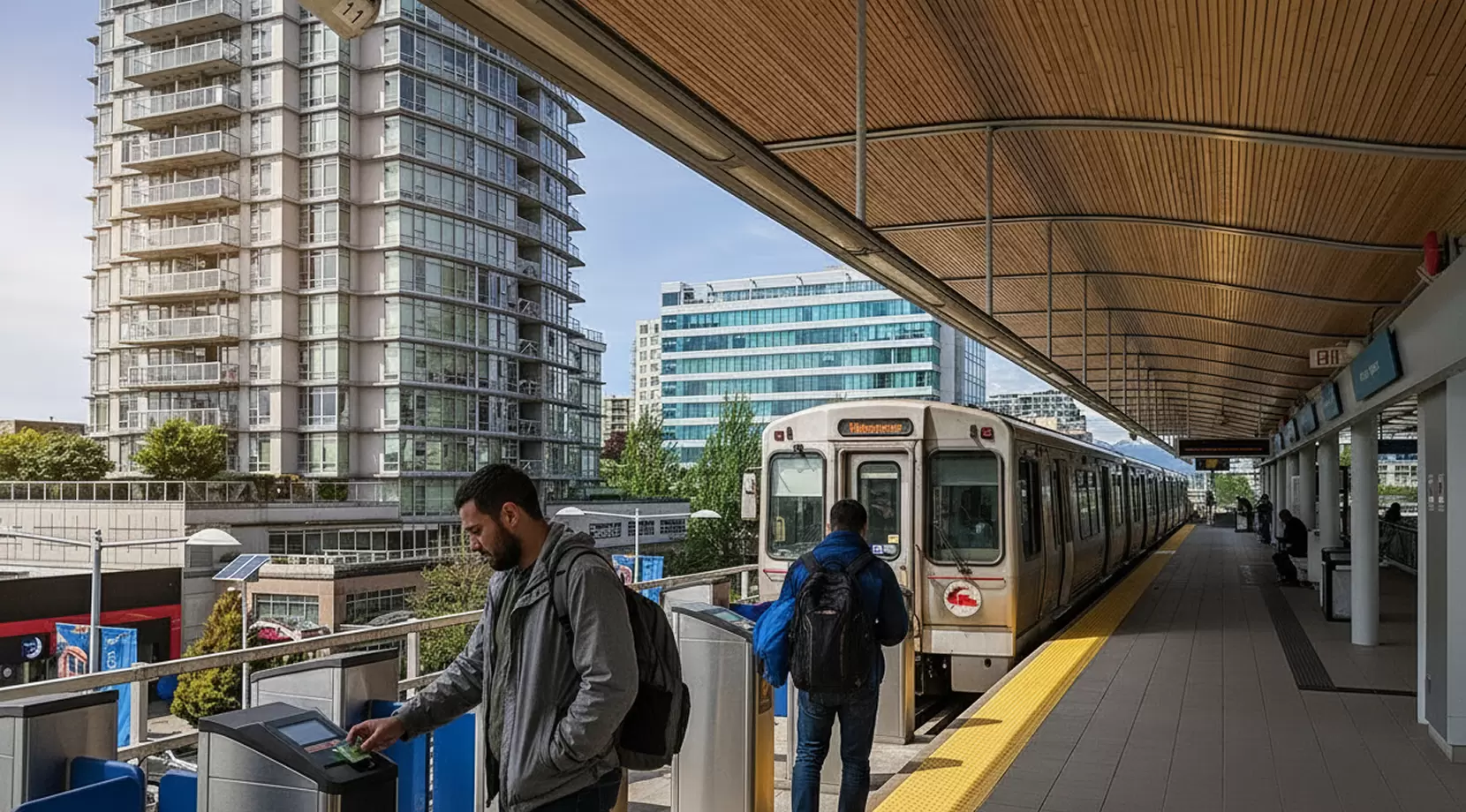
Alt: Richmond–Brighouse SkyTrain station and commuters showing transportation costs in Richmond, including transit pass cost, for the cost of living in Richmond.
Richmond gives you a clear choice between transit and driving. An adult 1-zone transit pass costs around 80 to 85 USD per month, and stored-value fares suit casual riders. Many workers who use the Canada Line cover most transportation costs with a pass plus occasional rideshares.
Car ownership is much pricier. Local gas prices sit near 1.20 to 1.30 USD per litre, and BC insurance is well known for being expensive. Once you add fuel, insurance, and parking, daily drivers often spend 300 to 400 USD per month, so transportation costs in Richmond change a lot based on car use.
Childcare and Education Costs
For families with young kids, the cost of childcare in Richmond, BC, is close to rent. Full-time daycare, after provincial reductions, commonly costs around 650 to 900 USD per month per child. Richmond also has $10-a-day spaces, where families pay roughly 150 to 200 USD per month, though spots are limited.
Once children reach school age, childcare & education costs move toward preschool and after-school care. City and non-profit programs often range from 120 to 180 USD per month for part-time coverage, with private options higher, so most families still keep a budget line for kids after daycare.
Healthcare and Insurance Costs
BC’s public health system no longer charges most residents a monthly premium, so there is no separate MSP bill inside the cost of living in Richmond BC. People still budget for dental visits, prescriptions, and extended health plans. A single adult often sets aside 40 to 80 USD per month, and many families plan for 100 to 200 USD per month for healthcare extras.
Entertainment and Lifestyle Costs
Realistically, you’ll also have to budget for fun in your cost of living in Richmond budget and support affordability in Richmond BC over time. A typical gym membership costs about 55 to 60 USD per month, a movie ticket around 12 USD, and dinner for two roughly 70 to 75 USD.
Single renters set aside 100 to 200 USD per month for a gym pass, streaming, coffee, and a few nights out, while many families who use community centres and kids’ sports sit closer to 200 to 350 USD per month.
Average Salary in Richmond and Income Needed
Recent data points to a median after-tax household income near 52,000 to 53,000 USD per year, and cost-of-living trackers place a typical net salary for an individual around 3,100 USD per month. That should give you an idea about the average salary in Richmond, BC, and the income needed to live in Richmond.
In practice, many single renters feel comfortable with 3,200 to 3,500 USD per month after tax, while families with one child often look for 6,000 to 7,000 USD per month so rent, bills, and childcare all fit.
Richmond Vs. Vancouver Cost Comparison
Many newcomers will consider a Richmond BC cost comparison against Vancouver. Richmond rents are often a few hundred dollars lower for similar apartments, while groceries, utilities, and transit stay almost identical because the same shops and TransLink system serve both cities.
Overall, Richmond is usually a bit cheaper on housing, but daily costs are similar, so housing choice is the main factor in the cost of living in Richmond, BC.
You can also get more in-depth info on the cost of living in West Vancouver and the cost of living in Burnaby by clicking on the respective links for our guides on both!
Most Affordable Neighborhoods In Richmond
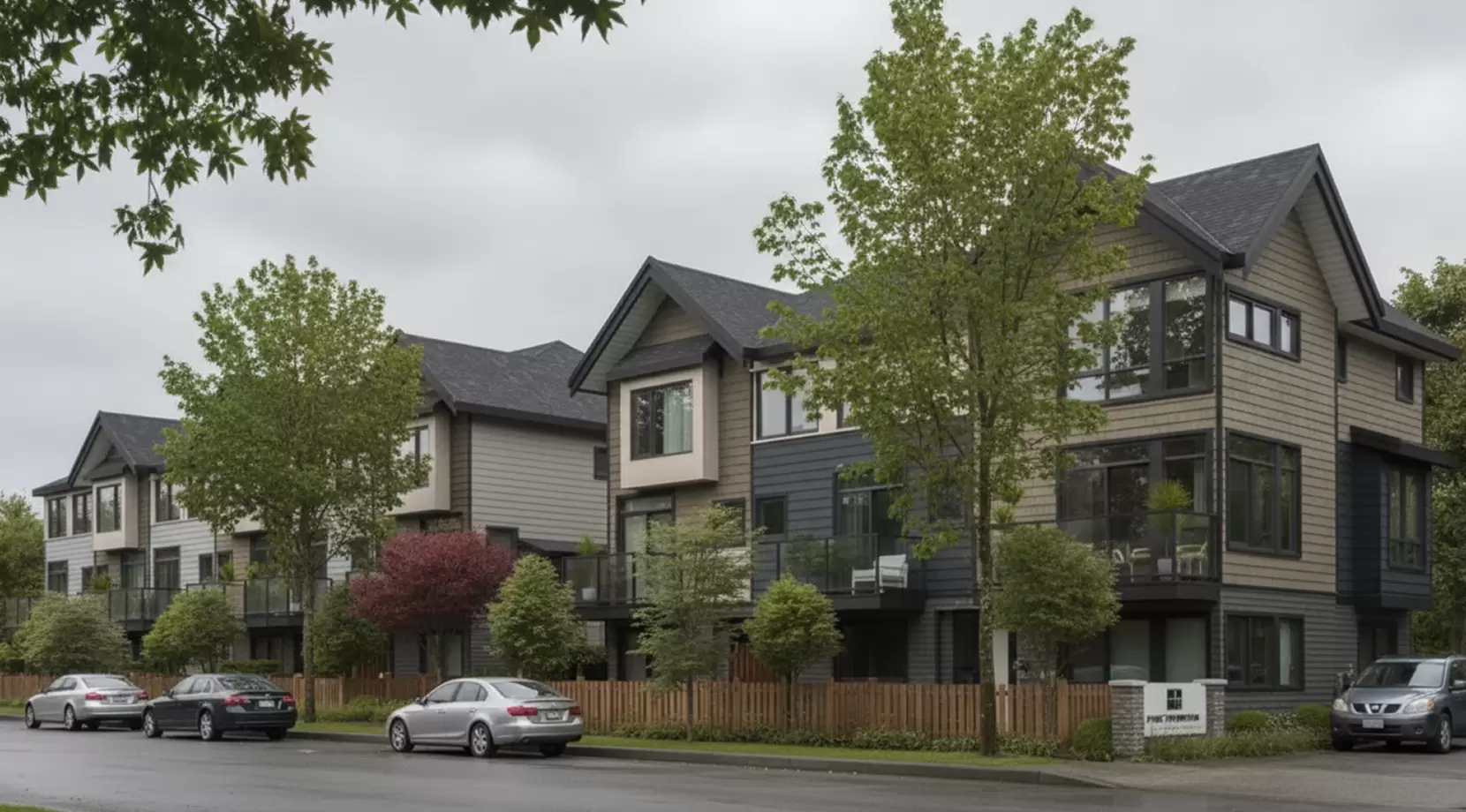
Alt: Townhouse row in Richmond BC with street parking, giving an example of housing cost and rent prices in Richmond BC for a cost of living in Richmond BC guide.
There are still affordable areas in Richmond for residents who are flexible about the age of the building and distance to the SkyTrain. Hamilton and parts of East Richmond tend to have older townhomes and low-rise condos with lower rents than Steveston or Terra Nova.
Older walk-ups a little farther from No. 3 Road and the Canada Line often undercut central towers by 200 to 400 USD per month, yet many of them still feel like safe neighborhoods in Richmond, BC.
Tips to Save Money Living in Richmond, BC
You can trim the cost of living in Richmond, BC, without giving up every comfort. Some residents share a larger apartment or basement suite, or choose older buildings in East Cambie or Hamilton, so rent prices in Richmond drop while they stay close to bus routes.
Others accept a smaller place near the Canada Line to rely on transit instead of paying for a second car and high transportation costs in Richmond. Day to day, cooking at home, buying staples at discount and Asian supermarkets, and applying early for reduced-fee or $10-a-day childcare keep groceries costs and childcare & education costs more manageable.
Next Steps
The cost of living in Richmond, BC, is high, yet many singles, couples, and families make it work by choosing the right neighborhood, keeping rent in check, and thinking carefully about car use and childcare.
Once you write down your own numbers for housing, utilities cost, transportation cost, food, childcare, and lifestyle, you can see quickly how Richmond compares to your current city and what income level feels realistic.
When you are ready to move, Secure Moving’s Richmond movers can help with local residential and commercial moves, taking care of packing, loading, and unloading so you can focus on settling into your new home and budget.
