


Moving from one house to another in Burnaby involves more than just packing boxes. The city’s diverse neighborhoods, traffic patterns, bylaws, and seasonal weather all play a major role in how smooth or challenging a house move can be.
This guide highlights the local factors Burnaby residents should understand before planning their relocation, especially when working with a professional moving company in Burnaby that understands these local conditions.
Burnaby’s Neighborhood Layouts
Burnaby is made up of uniquely structured neighborhoods, and each one affects the moving process differently.
- Brentwood & Metrotown: high-density areas with limited space for temporary parking or loading
- Deer Lake & Buckingham Heights: large residential properties but narrow, winding streets
- North Burnaby: steep slopes and elevation changes that can make access more challenging
- Edmonds: busy corridors where timing and traffic flow matter significantly
Knowing what to expect in each neighborhood helps you plan a smoother and more predictable moving day, especially if you’re moving to Burnaby and unfamiliar with how different areas of the city are structured.
Burnaby Traffic & Timing Considerations
Burnaby is one of the busiest cities in the Lower Mainland. If you don’t plan around local traffic patterns, a short move can quickly become hours longer.
Key timing factors include:
- Lougheed Highway and Kingsway often experience bottlenecks
- School zones create heavy congestion in the morning and early afternoon
- Peak commuter hours slow down travel between Burnaby and Vancouver
- Weekends can be busy due to shopping centers and events
For most Burnaby residents, moving between 11 AM and 3 PM tends to be the least congested period.
Building Rules, Access Points & Residential Restrictions
Many Burnaby residential communities, especially condos and townhouse complexes follow specific rules regarding parking, elevator access, and noise.
Before your moving day, it’s important to check:
- Elevator reservation requirements in apartment buildings
- Strata restrictions on noise or moving hours
- Parking limitations in shared lots
- Driveway accessibility, especially in older neighborhoods
- Narrow laneways that may restrict large vehicles
Understanding these limitations reduces last-minute delays or complications.
How Burnaby’s Weather Impacts a House Move
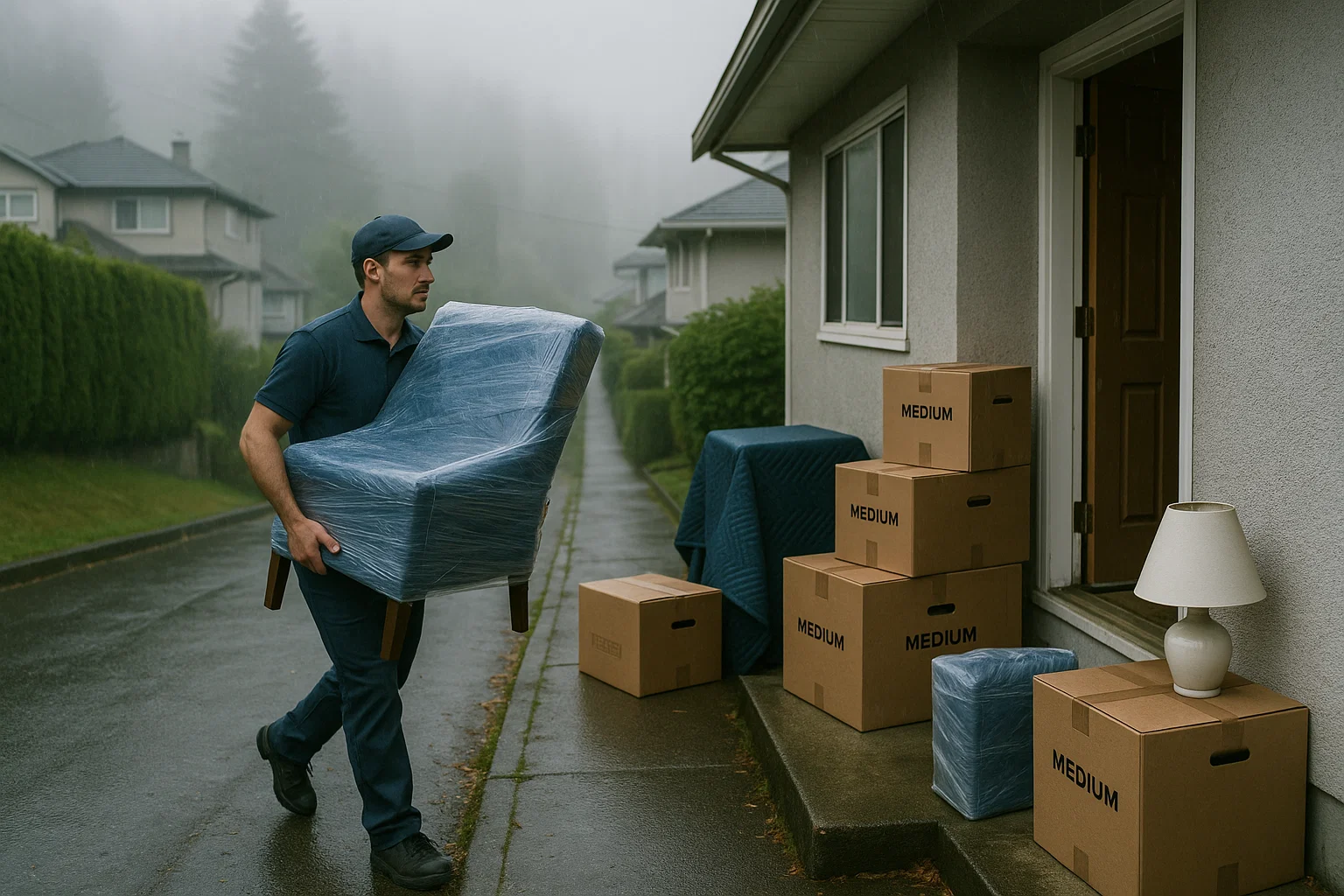
Burnaby’s climate can shift quickly, especially between fall and spring. Weather conditions often influence packing, loading, and accessibility.
Common seasonal challenges include:
- Persistent rain that makes surfaces slippery
- Morning fog, particularly in North Burnaby
- Summer heat, which may affect timing and energy levels
- Sudden snowfall in higher-elevation areas
Choosing a dry or mildly overcast day can make the entire process significantly easier.
Preparing Your Home Before the Move
A well-prepared home helps ensure a more efficient and stress-free moving day. Consider:
- Clearing hallways and staircases ahead of time
- Disassembling large furniture in advance
- Securing fragile items in safe locations
- Packing or organizing garage and storage areas early
- Keeping pets in a separate room to reduce stress
These small steps can make the moving process smoother and more manageable.
Common Challenges Burnaby Residents Face During a Move
Residents in Burnaby often encounter similar issues during a home relocation, including:
- Limited curb space for temporary parking
- Steep or narrow driveways in certain neighborhoods
- High congestion around Metrotown and major streets
- Strict strata rules on timing and elevator usage
- Tight townhouse layouts that complicate access
Being aware of these challenges ahead of time helps you plan smarter and avoid unnecessary complications.
House moving in Burnaby is shaped more by local conditions than by distance. However, if your relocation involves leaving the city or province, working with experienced full service long distance movers in Burnaby requires a different level of planning and coordination.
Understanding how neighborhood layouts, seasonal weather, building rules, and traffic patterns affect the process helps residents approach their move with confidence. If the logistics ever feel overwhelming, seeking local insights or guidance can help simplify planning but this guide is designed to give you the knowledge you need to prepare effectively on your own.
