

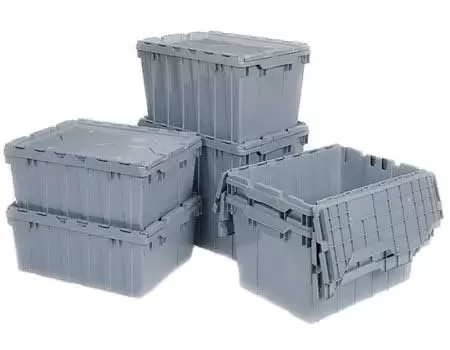
Moving Advice: Should I Pack in Boxes or Totes?
When choosing between plastic totes and cardboard boxes, it’s important to think beyond durability and consider the overall packing strategy. Selecting the right containers plays a major role in protecting your belongings, improving organization, and reducing waste. These decisions are a core part of effective packing tips for moving, where understanding how materials impact efficiency, safety, and sustainability can make your relocation smoother and far less stressful.
1. Environmental Considerations
Plastic Totes:
Plastic totes are durable and versatile, but they are not the most eco-friendly choice. They are made from non-renewable, petroleum-based products. Furthermore, plastic totes are not easily recycled back into the environment, and they contribute to plastic waste.
Cardboard Boxes:
Cardboard boxes, on the other hand, are crafted from a renewable resource—tree pulp. This makes them a more sustainable choice. After their useful life ends, cardboard boxes can be recycled, or better yet, they can be torn up and composted in your garden, returning to the soil.
2. Practical Benefits
Plastic Totes:
While both plastic totes and cardboard boxes offer practical advantages, their effectiveness largely depends on how well they work with other packing supplies. Factors such as padding, box strength, moisture resistance, and stacking capability all play a role in preventing damage. Understanding the right packing materials for moving helps ensure your items stay protected while maximizing space and minimizing unnecessary waste.
Reusability:
Plastic totes are excellent for frequent movers. They can serve as storage solutions, organizers, or even makeshift furniture between moves.
Durability:
Totes are particularly useful if you need to store your possessions in damp conditions. They are resistant to rodents and spills, making them ideal for activities like camping, canoeing, or road trips.
Organization:
Totes help keep your belongings organized and protected, ensuring they remain clean and dry. Their straight sides minimize wasted storage space.
Cardboard Boxes:
Cardboard boxes also have their own set of practical benefits:
Efficient Stacking:
Cardboard boxes are designed for efficient stacking. When packed carefully, there is minimal unused air space between boxes.
Reusability:
A standard singled-walled cardboard box can endure six or more moves, provided they don’t get wet. However, rodents and dampness can be potential issues with cardboard free moving boxes vancouver.
3. Environmental Impact
Plastic Totes:
In terms of environmental impact, plastic totes fall short. They are not environmentally friendly due to their production and disposal process.
Cardboard Boxes:
Regardless of whether you choose totes, boxes, or a combination of both, efficiency is what ultimately makes a move successful. Proper organization, smart stacking, and clear labeling can save time and reduce stress on moving day. Applying efficient packing tips allows you to streamline the packing process while protecting your belongings and making unpacking far easier.
