

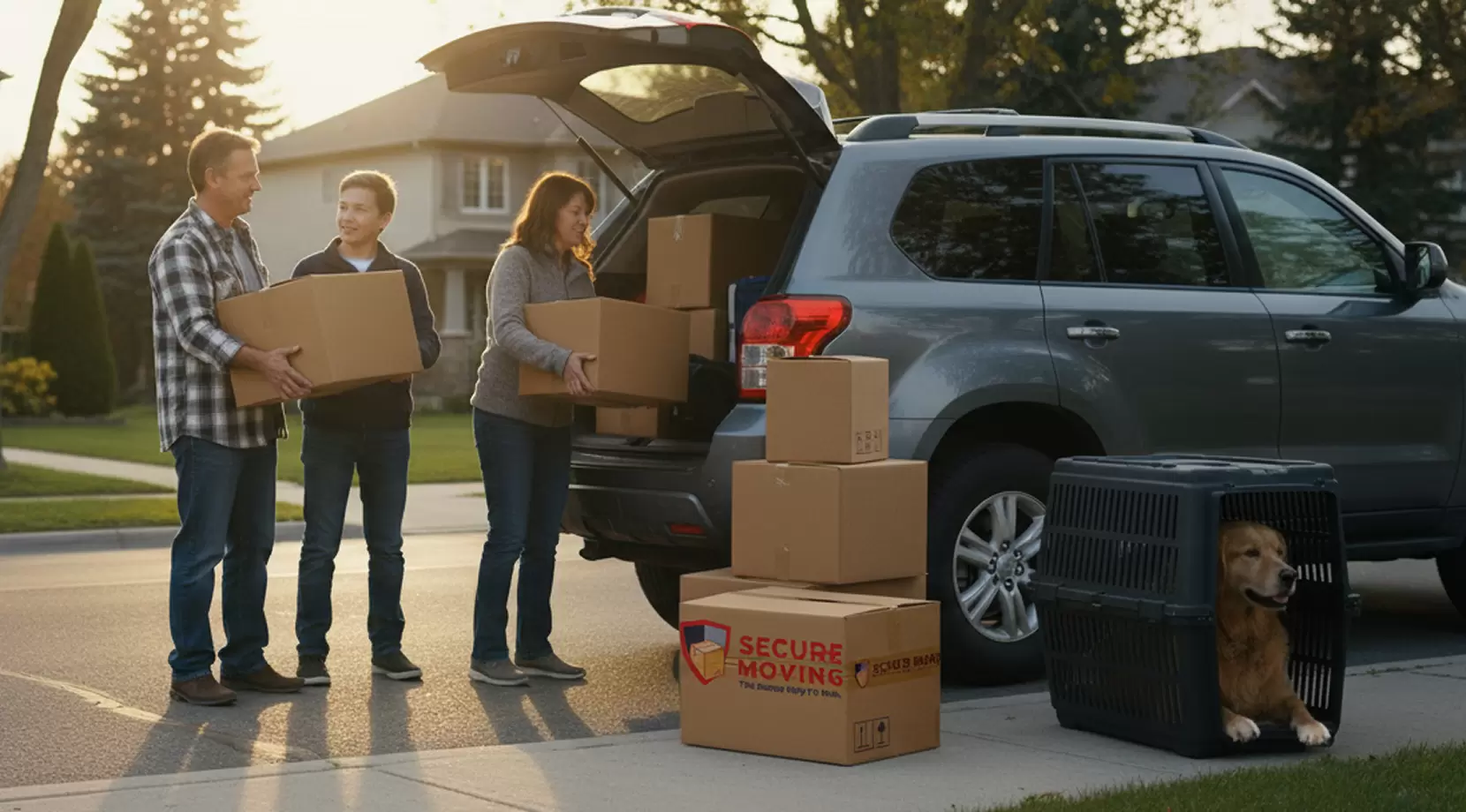
Moving across provinces is a big project for you, and an even stranger one for your dog. Boxes appear, routines slip, and suddenly their bed is in a place that smells different. This guide walks you through how to move a dog across country in clear stages so you can protect your dog’s routine, reduce dog moving stress, and travel more calmly together.
You will see how to plan weeks ahead, how to move with a dog by car or plane, and how to help your dog adjust once you arrive. Along the way, we will point out where a pet-friendly moving company makes your own to-do list lighter, so you can stay focused on keeping your dog safe and settled.
Moving with a Dog Across Country Starts Weeks Before Moving Day
Start to prepare your dog for a move well before the truck arrives so the change feels gradual. Early planning gives you time to handle car sickness and vaccines before any last-minute rush.
Decide early if you will be driving a long distance with a dog or flying with a dog. Driving lets you set breaks and temperature, while flights shorten the trip but bring stricter rules.
Book a vet visit three to four weeks before moving day. Ask for a checkup, refill medications, and confirm vaccines, including rabies, are current so you can request any health certificate your route or airline needs. Also ask about car sickness, anti-nausea meds, and sedation risks for brachycephalic dogs.
Update your dog’s microchip registration and ID tag with the phone number and email you will use during the trip. If you will cross a border, skim the CFIA “Travelling with a pet” guide for rabies certificate rules and required forms.
Finally, watch your own stress. Dogs read our tone and body language closely. If the move feels heavy, our article on how to cope with moving can give you a simple plan.
Dog Crate Training and Routine Before the Move
A calm crate becomes your dog’s safe base during a busy move, so start dog crate training for moving a few weeks before boxes appear. Feed meals in the crate with the door open and let your dog nap there, then add short, quiet car rides around the block so crate, car, and normal life feel linked rather than scary.
For car travel, use a sturdy, ventilated crate you can seat belt or a crash-tested harness that clips into the seat belt. Do not let your dog roam loose, since sudden stops or open doors can turn into danger. For flights, check airline rules and choose an IATA-style carrier; the pet section on Air Canada’s site shows typical size and ventilation rules.
Alongside gear, protect your dog’s routine during move days. Keep feeding times, walks, and bedtime close to normal, even while you start packing with dogs in the home. That steady routine lowers dog moving stress long before you lock the front door.
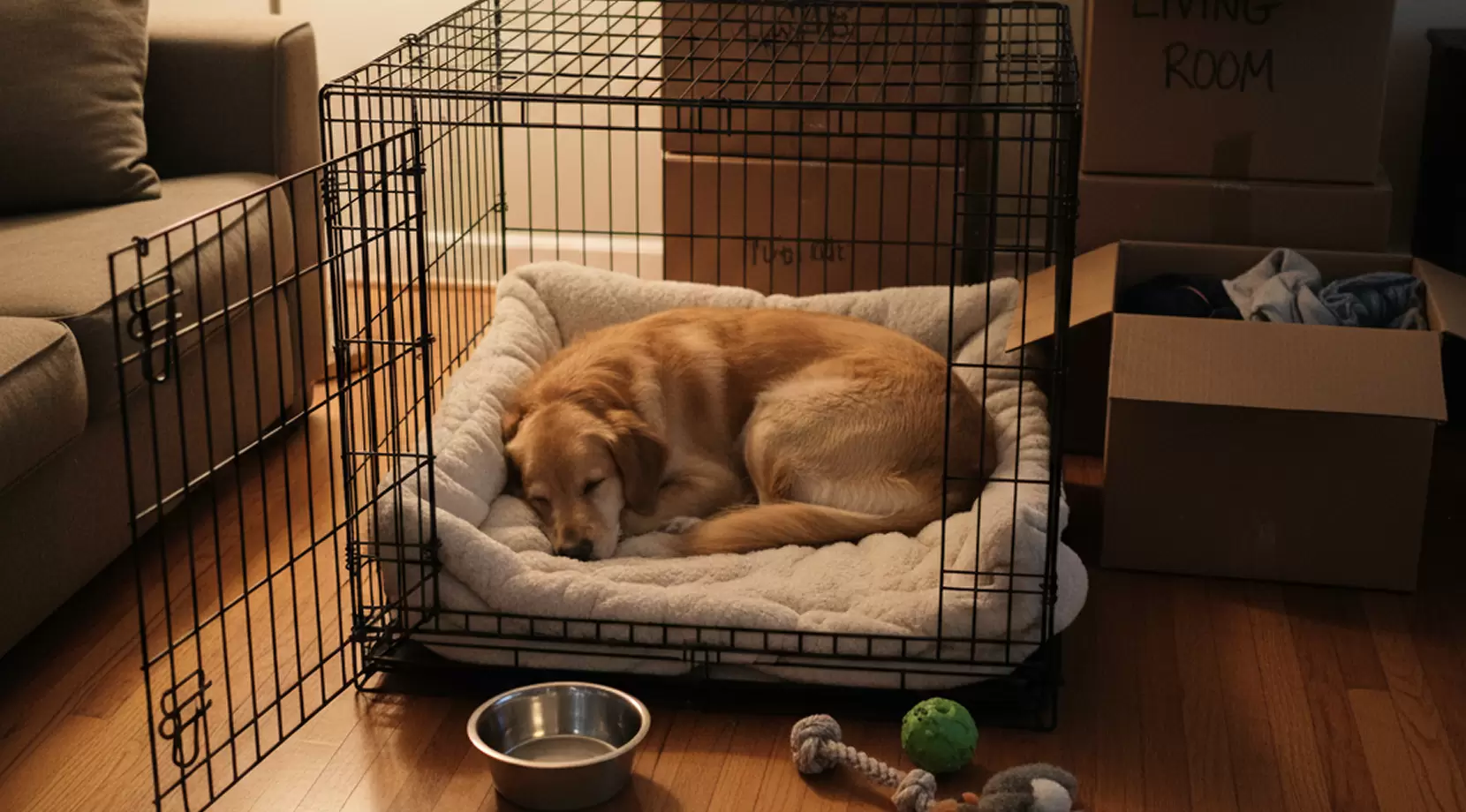
Dog Moving Checklist and Moving Kit for Dogs
A small, dedicated bag keeps travel calmer because you are not digging through taped boxes in a motel parking lot. Treat it as your dog moving checklist and moving kit for dogs in one place you grab at every stop.
Pack vet paperwork first: printed vet records, a health certificate if needed, rabies certificate, and your dog’s microchip number. For border or flight rules, keep the CFIA “Travelling with a pet” page bookmarked on your phone.
Add 1–2 weeks of the same food your dog already eats, bottled water if the local supply will change, collapsible bowls, and all daily medications or supplements.
Include comfort items such as a bed or mat, a familiar blanket, and a few favourite toys or long-lasting chews so new spaces smell like home.
Round things out with a cleaning kit (poop bags, enzyme cleaner, spare towels, wipes), calming tools (pheromone spray or collar, calming treats, vet-approved anti-anxiety meds or CBD products), plus contact details for your new vet and at least one emergency clinic near your route and new address. Keeping this moving kit for dogs within reach makes every rest stop and arrival smoother.
Once your route and dog plan are set, check How Far in Advance Should I Book Movers? to pick a date that fits your travel schedule.
Dog Travel Tips for Long Drives and Flights
Good dog travel tips turn travel days into a routine instead of chaos.
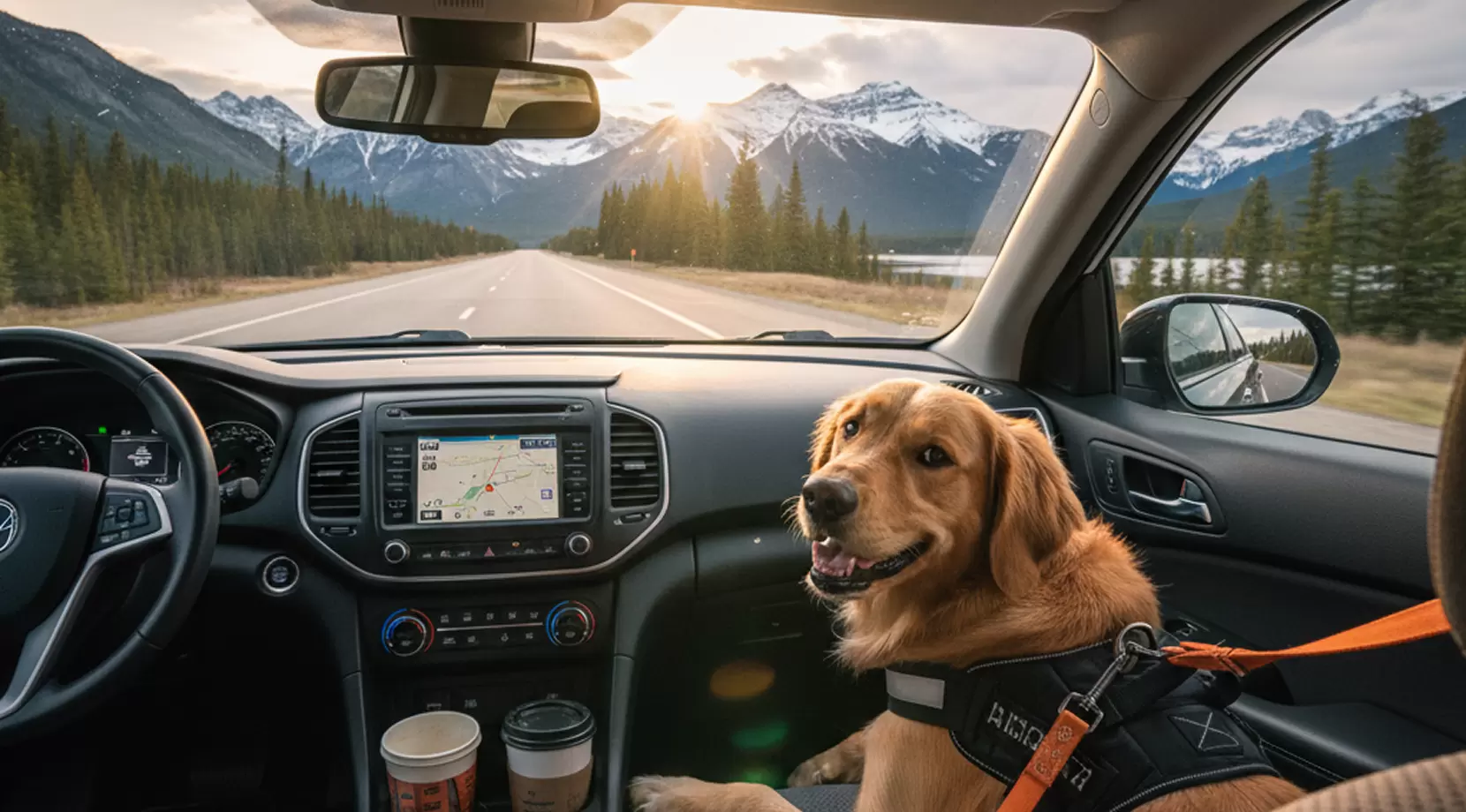
Driving Long Distance With A Dog: Use a seat-belted crate or crash-tested harness so your dog stays secure. Clip the leash on before any car door opens, and plan stops every two to three hours for short walks and bathroom breaks. Keep meals smaller and earlier in the day to reduce car sickness; many long-distance clients find that steady “dog stops” keep barking and accidents low.
Dog Hydration Travel Tips: Offer small, frequent sips of water rather than one big bowl, and never leave your dog alone in a parked vehicle. You can check Travel.gc.ca’s animal travel advice for temperature and safety guidance.
Flying with a Dog: Read your airline’s pet rules, compare in-cabin options for small dogs with cargo rules for larger ones, and remember that most vets discourage heavy sedation, especially for short-nosed breeds. A familiar crate from your training at home makes it much easier to keep your dog calm during move days in airports and on the plane.
Moving with Senior Dogs and Puppies
Age changes how moving with a dog feels, so plan differently for seniors and puppies. For moving with senior dogs, focus on comfort: shorter driving days, bathroom breaks, bedding, and a ramp or step into the car for sore hips.
A pre-trip vet check matters before any flight, and after you arrive, watch appetite and bathroom habits for shifts that hint at pain or stress.
For moving with puppies, routine comes first. Keep potty breaks frequent, line the crate with puppy pads, and keep early outings calm instead of crowded dog parks. Stick to your house training plan and reward every success.
If your dog has complex medical needs, we at Secure Moving offer specialist pet relocation services while handling the home and timing.
Helping Your Dog Adjust to a New Home and Neighbourhood
Moving to a new home with a dog often brings appetite changes or clinginess while they take in new smells and sounds.
Set up one quiet “dog room” with a bed, toys, water, and a blanket that smells like the old home, so you help your dog adjust to new house life from a familiar base. Dog-proof the home by checking fences, balcony gaps, and any doors or windows that open to busy streets.
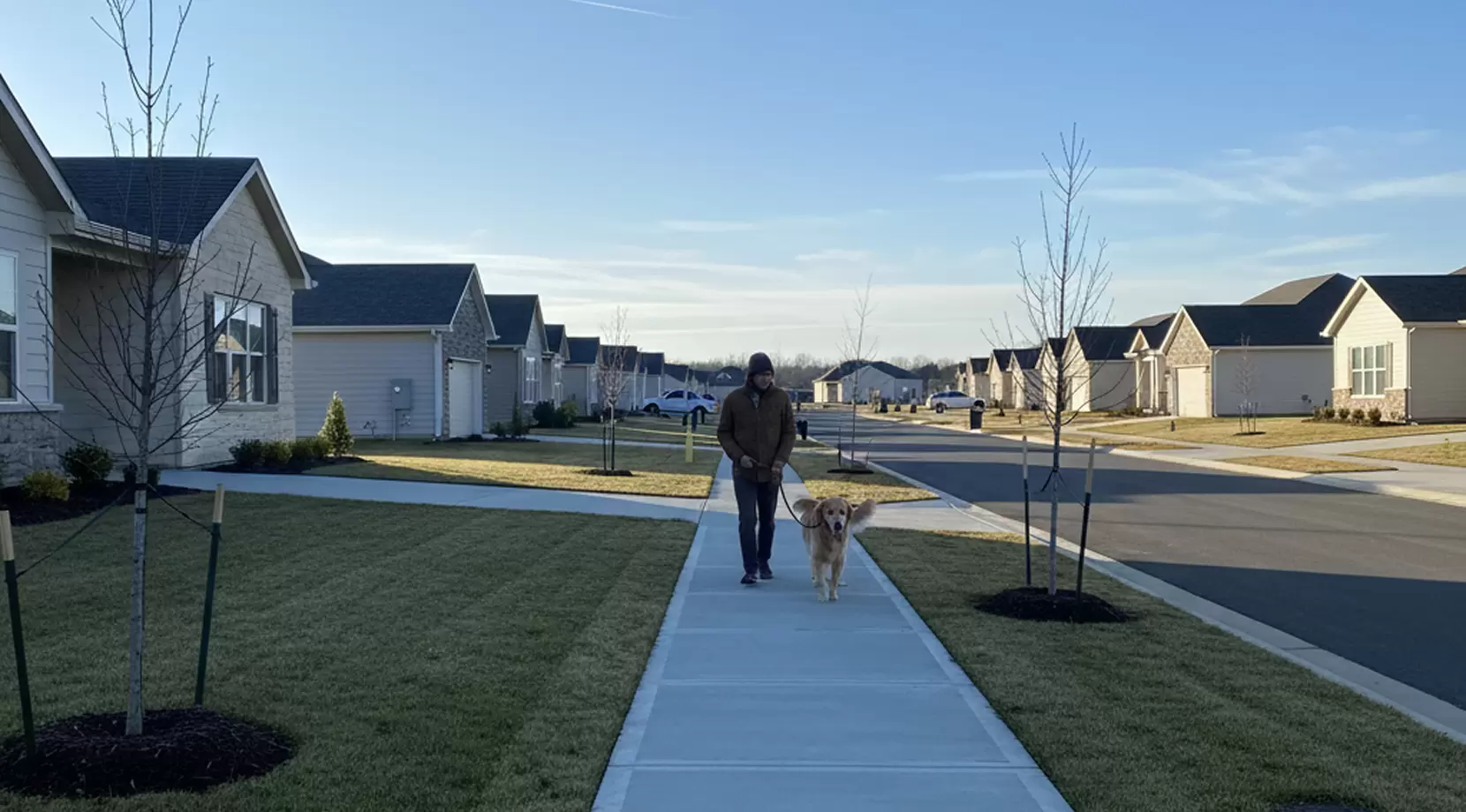
Then introduce the new neighbourhood slowly with short, leashed walks and calm meetings with neighbours. If you see constant pacing, chewing, or refusal to eat or go outside, talk to your vet or a trainer about deeper dog behavior changes after moving.
How a Pet-Friendly Moving Company Keeps Your Dog’s Day Calmer
On moving day, boxes and furniture move around, but a pet-friendly moving company like Secure Moving can keep your dog’s day calmer by protecting safe paths and quiet breaks.
By agreeing in advance how our movers handle pets, we control which doors stay open and warn you before they move bulky items near your dog’s crate. That planning creates a safe moving environment for pets.
Secure Moving train crews to pause while you take your dog out for walks or crate breaks and to keep clear routes through each room. As a moving company for dog owners, we focus on timing so your dog’s routine stays close to normal.
Secure Moving can plan both the human side of your cross-country relocation as well as pet relocation services while you focus on your dog’s comfort. Get a free quote today from the most trusted pet-friendly moving company in Canada!
