

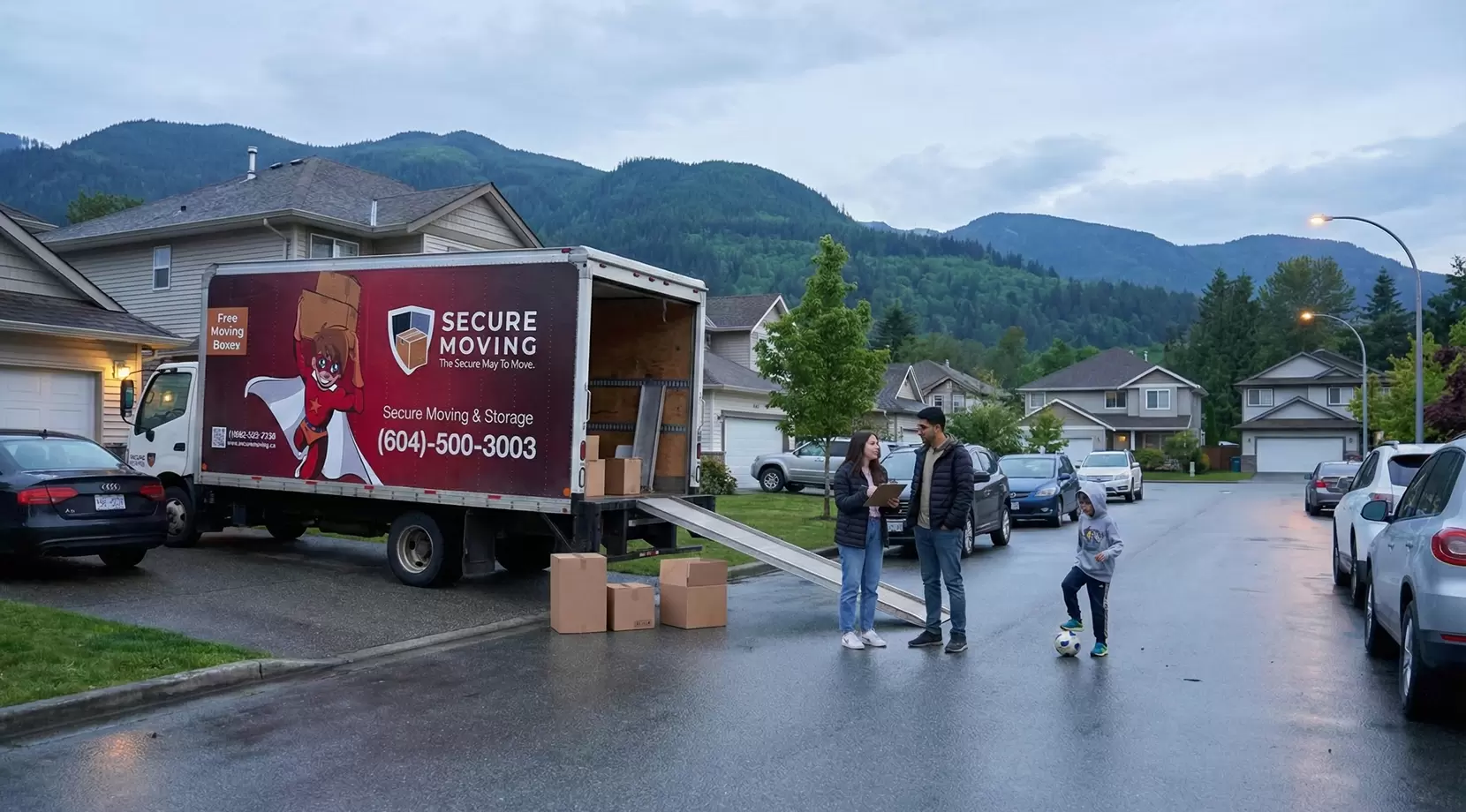
If Vancouver or Burnaby feels crowded and expensive, it is normal to ask, “Is Chilliwack a good place to live?” This small city sits in the Fraser Valley on the eastern edge of the Lower Mainland, about 100 km from downtown Vancouver.
Many people think about moving to Chilliwack for more space, cheaper housing, and quick access to rivers and mountains. But, back to the question at hand, is Chilliwack a good place to live?
Where Is Chilliwack, and Who Moves There?
Chilliwack lies east of Langley and Abbotsford along Highway 1, close enough that the distance to Vancouver still works for some commuters, yet far enough that fields and peaks replace towers. Chilliwack neighbourhoods spread across the valley floor and nearby hills, so you can pick between more urban streets and quieter, semi-rural pockets.
People considering Chilliwack are often young families who want a yard, remote workers who visit the office sometimes, and retirees who like mild winters without big-city prices.
For many, the advantages of living in Chilliwack start with space and scenery, while the main challenges of living in Chilliwack revolve around commuting from Chilliwack and needing a car for most errands.
Lifestyle, Community, and Nature
If you wonder “what is it like to live in Chilliwack?”, you can imagine school runs, youth sports, and river walks more than downtown nightlife.
This atmosphere creates a lifestyle in Chilliwack that suits people who like community events and early mornings rather than late nights. As for the Chilliwack community, it mixes long-time residents, farm families, trades workers, and health staff.
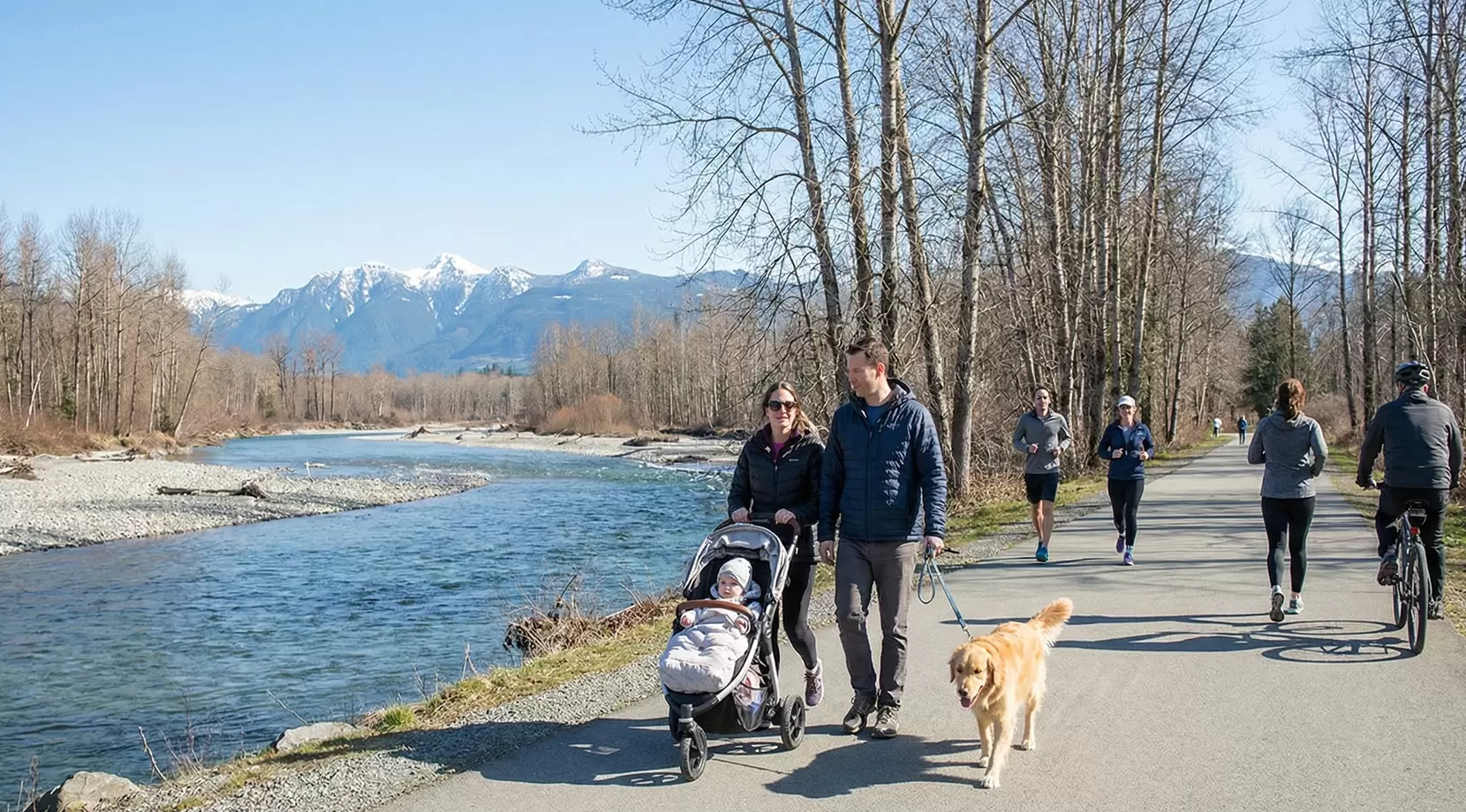
For nature, outdoor recreation is part of normal life. The Chilliwack River, Cultus Lake, Bridal Veil Falls, and nearby trails give you hiking, fishing, and lakes within a short drive. Pet-friendly living in Chilliwack is also common, as many homes have yards or trail access, though each landlord still sets their own pet rules.
Chilliwack Weather, Climate, and Air Quality
Winters are cool and very wet, with rain far more common than snow, while summers are warm and bright. To give you a general idea, the climate in Chilliwack is slightly warmer in summer and a bit cooler at night than in Vancouver.
Most of the year, air quality in Chilliwack is good. Some summers bring wildfire smoke from other parts of British Columbia, which can make the air hazy for days or weeks. If anyone in your home has asthma or other breathing issues, it helps to follow air quality advisories during those periods.
Housing in Chilliwack and Key Neighbourhoods
Housing in Chilliwack is the main reason many people look east. The real estate market still offers more affordable housing than central Vancouver, even though prices have gone up. You see a mix of single-family homes, townhouses, and low-rise condos.
Renting in Chilliwack usually means apartments in small buildings, basement suites, or townhomes, and the overall cost of housing is lower than in many other Lower Mainland cities.
Within the city, Chilliwack neighbourhoods all feel different. The Sardis neighbourhood has schools, parks, and big-box shopping, and is often treated as one of the core family-friendly areas in Chilliwack.
Moreover, Garrison Crossing is a walkable pocket with cafés, small shops, and fast access to the Vedder River trail.
Lastly, Promontory Chilliwack and Eastern Hillsides offer newer hillside housing, quiet streets, and valley views in exchange for more driving and steeper roads.
Cost of Living, Commute, and Transportation
The cost of living in Chilliwack feels lower than in Vancouver, mainly because of housing, with mortgage payments or rent for similar space usually below what you would pay closer to the core.
Groceries, utilities, and transportation costs are closer to regional averages, so housing drives most of the cost-of-living comparison. For another Metro city check, we also cover the cost of living in Richmond.
Is Chilliwack expensive? That depends on income and driving habits. Households with Metro-level pay through remote work often feel comfortable. However, families that rely on local wages can feel tighter budgets, especially if they run two vehicles.
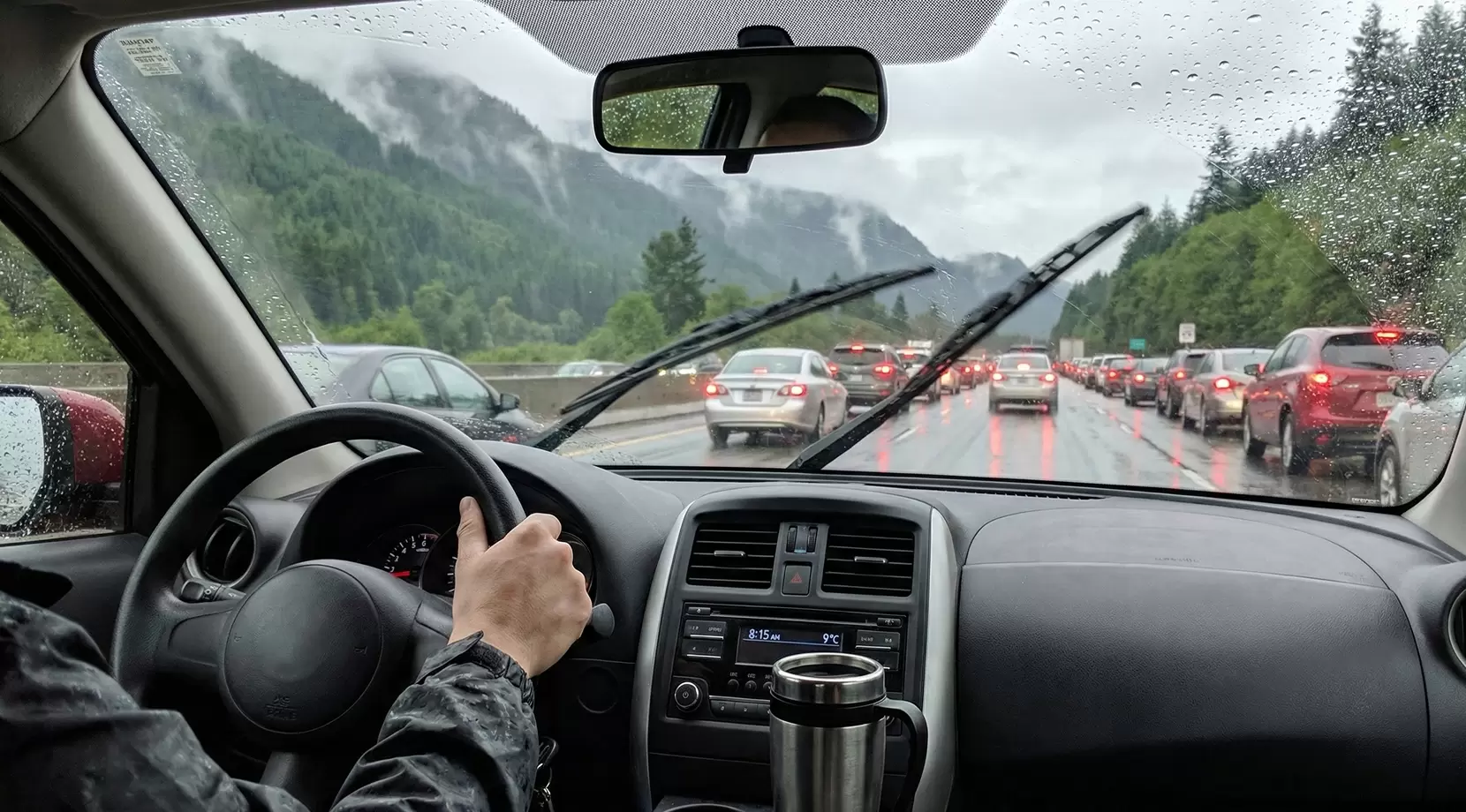
For commuting, from Chilliwack to downtown Vancouver often takes ninety minutes or more in rush hour because of congestion along Highway 1. Finally, public transit relies on local buses and regional services, and there is no SkyTrain or West Coast Express station, so hillside and rural areas are very car-dependent.
Safety in Chilliwack
Safety is a major question for anyone moving to a new city, and many people ask directly: Is Chilliwack safe? Official reports show that the crime rate in Chilliwack sits above Canadian averages, shaped mainly by property crime, drugs, and some downtown trouble spots.
That can look worrying on paper, so it makes sense to check maps and talk to locals before you choose a home.
Day to day, experiences vary by block. Many residents in Sardis, Garrison Crossing, Promontory, Eastern Hillsides, and parts of Chilliwack Mountain describe calm routines with a few normal precautions.
Kids bike to nearby friends, people walk dogs after dark, and most stories focus on car break-ins and porch theft rather than violent incidents.
Safe neighbourhoods, the safest neighbourhoods in Chilliwack, actually, are expectedly the ones with lived-in streets and neighbours who pay attention.
Schools, Jobs, and Everyday Practicalities
For parents, schools in Chilliwack and the Chilliwack School District are a major filter. The district runs local elementary and secondary schools, with catchments tied to addresses. On the post-secondary side, the University of the Fraser Valley has a campus in Chilliwack at Canada Education Park, and other post-secondary options in the Fraser Valley and Metro Vancouver sit within driving distance.
As for work, jobs in Chilliwack cluster around agriculture, food processing, construction, logistics, retail, healthcare, and education. Employment opportunities for specialised downtown-style office roles are thinner than in Vancouver, which is why many residents still commute west or work remotely.
Pros and Cons of Living in Chilliwack
Putting the pros and cons of living in Chilliwack side by side helps make the decision clearer.
-
On the plus side, you get lower housing costs, easy outdoor recreation, and a strong sense of community.
-
Nature is close, kids’ sports are active, and many people feel that Chilliwack is good for families who want space and parks instead of a condo downtown.
-
On the downside, you face higher crime statistics than the national average, long commutes to Vancouver, and limited public transit.
-
Rainy winters, plus smoke in some summers, can also wear on people who are sensitive to weather and air quality.
For many households, the answer to “Is Chilliwack a good place to live?” comes down to how they weigh those trade-offs.
Moving to Chilliwack? How Secure Moving Can Help
Once you decide that moving to Chilliwack is on your list, the next step is getting there with your belongings and moving schedule under control.
Secure Moving has experience helping families, students, and retirees move between apartments, townhomes, and houses across Vancouver, Burnaby, Richmond, and the Fraser Valley, including Chilliwack. Our crews know hillside driveways, tight townhouse complexes, and apartment loading zones near busy roads.
You can ask for help with packing, loading, and unloading, or keep it simple with a carefully timed truck and crew that fit your plan. For clear pricing and a smoother moving day, get a free quote from Secure Moving, the most trusted moving company in Chilliwack today!
