

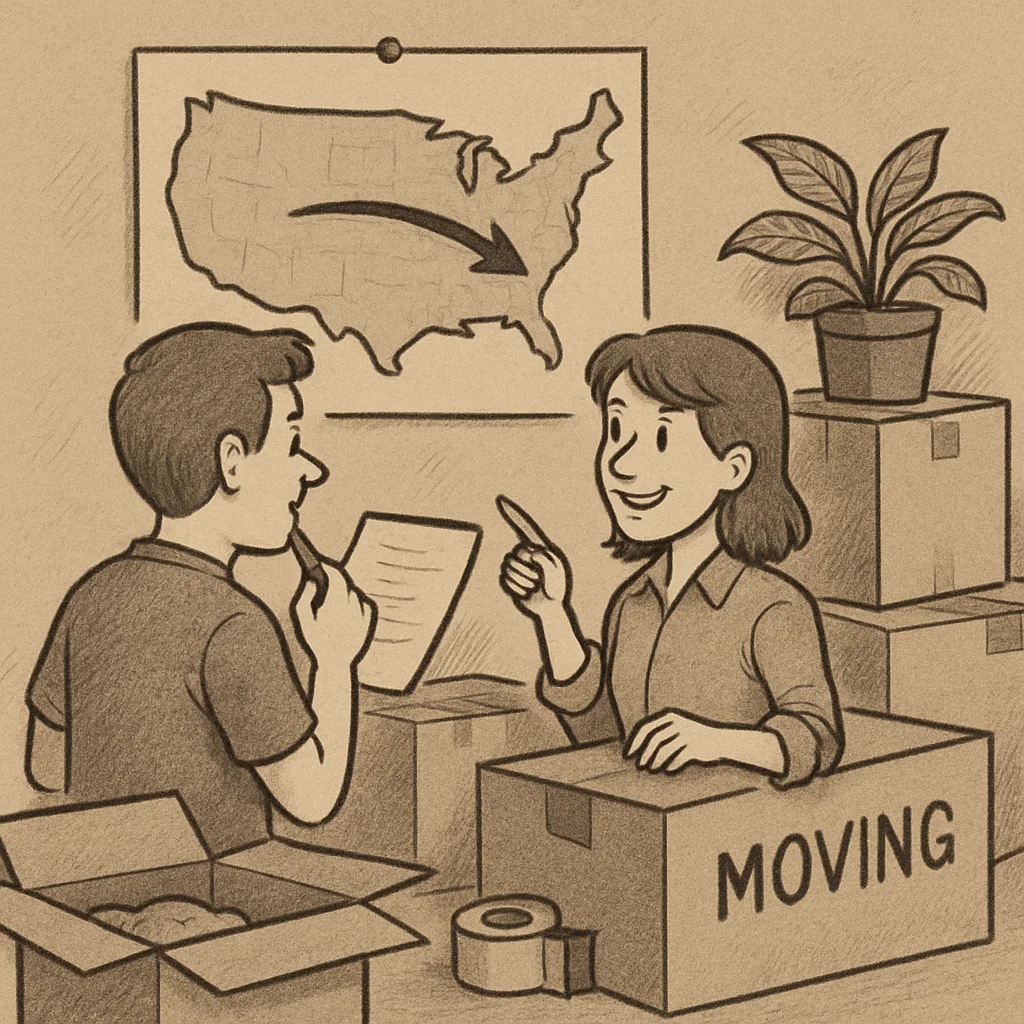
The foundation of a successful move lies in early preparation, especially when working with experienced full service long distance movers in Burnaby who handle cross-country relocations from start to finish. As soon as the decision to move is made, it’s time to initiate the planning process. This crucial step involves researching cross-country relocation services, crafting a detailed moving checklist, and setting a realistic and comprehensive budget. Early planning enables you to address tasks incrementally, thus minimizing stress as moving day draws near.
Develop a Comprehensive Timeline
Creating a detailed timeline is vital to managing the multitude of tasks associated with a move. Begin by setting major milestones, such as booking movers and finalizing your moving date. Break down the timeline into weekly tasks, allowing you to tackle everything from packing to address changes systematically. This structured approach keeps you on track and reduces last-minute chaos.
Budgeting for Your Move
Budgeting is an essential component of your planning process. Start by listing all potential expenses, including moving company fees, packing supplies, and travel costs. Research potential hidden costs, such as insurance and temporary housing, to avoid surprises. Setting aside a contingency fund for unexpected expenses can provide peace of mind.
Research and Compare Moving Companies
Spend time researching and comparing moving companies to find one that suits your needs and budget. Look for companies with strong reputations, positive customer reviews, and transparent pricing. Request quotes from several providers to understand the market rate and negotiate better terms.
Choose the Right Cross-Country Relocation Services
Selecting the appropriate relocation services is pivotal for a hassle-free move. When evaluating potential companies, several factors should be considered to ensure they align with your specific needs.
Assess Company Credentials and Experience
Before committing to a moving company, verify their credentials and experience. Check for proper licensing and insurance to protect your belongings. Consider the company’s track record with cross-country moves, as this can be a reliable indicator of their capability to handle your relocation effectively.
Evaluate Service Packages
Relocation services offer a range of packages, from basic transportation to full-service moves that include packing and unpacking. Evaluate your needs and budget to choose a package that offers the best value. Some companies also provide specialized services, like vehicle transportation or temporary storage, which might be crucial for your situation.
Customer Support and Communication
Effective communication is essential throughout the moving process. Choose a company known for excellent customer support, with clear lines of communication. A responsive service provider can address your concerns promptly and provide updates as needed, ensuring a smoother experience.
Declutter Before You Pack
Moving presents a prime opportunity to declutter your life. Assess your belongings and decide what to keep, donate, or sell. This process not only simplifies packing but also reduces moving costs. Moreover, starting anew in a clutter-free space can be incredibly liberating.
Implement the One-Year Rule
The one-year rule is a practical guideline for decluttering. If you haven’t used an item in the past year, consider whether it holds enough value to keep. This method helps eliminate unnecessary items, making your move lighter and more efficient.
Organize Donation Drives
Coordinate a donation drive to give away items you no longer need. Contact local charities or shelters to ensure your donations go to those in need. This not only helps you declutter but also benefits your community.
Plan a Pre-Move Garage Sale
Hosting a garage sale is a strategic way to declutter and earn extra money for your move. Advertise locally and on social media to attract buyers. Price items to sell, and be prepared to negotiate to maximize sales.
Pack Smartly
Packing efficiently is crucial to ensure the safety of your belongings during transit. Taking the time to pack smartly can prevent damage and make unpacking more manageable.
Invest in High-Quality Packing Supplies
Quality packing supplies are essential for protecting your items. Invest in sturdy boxes, bubble wrap, packing tape, and markers. These materials provide the necessary protection against the rigors of a long-distance move.
Develop a Room-by-Room Packing Strategy
Approach packing systematically, tackling one room at a time. Begin with items you use less frequently and finish with everyday essentials. This method keeps your packing organized and reduces the risk of misplaced items.
Create a Detailed Inventory List
Maintain a detailed inventory of your packed items. This list helps ensure everything arrives safely and assists in filing claims if items are lost or damaged. A digital inventory can be particularly useful for easy access and updates.
Coordinate Travel Arrangements
Deciding how you will travel to your new home is a crucial aspect of your move. Whether driving, flying, or taking a train, making arrangements well in advance is essential.
Plan Your Route and Accommodations
If driving, plan your travel route carefully. Research accommodations along the way and book them in advance to avoid last-minute stress. Ensure your vehicle is road-trip ready with a pre-trip inspection.
Book Flights or Train Tickets Early
For those flying or taking a train, early booking is key to securing the best rates. Research different airlines or train services to find the most convenient and cost-effective options for your journey.
Prepare for Travel Contingencies
Prepare for potential travel contingencies by packing an emergency kit. Include items like snacks, water, a first-aid kit, and travel documents. Being prepared for unexpected delays can ease stress and ensure a smoother journey.
Manage Utilities and Services
Before you leave, it’s essential to notify your utility companies and service providers about your move. Proper management of these services ensures a seamless transition to your new home.
Schedule Disconnections and Reconnections
Coordinate with utility companies to schedule disconnections at your old home and reconnections at your new one. This includes electricity, gas, water, internet, and cable services. Timely arrangements prevent service disruptions.
Forward Your Mail and Subscriptions
Update your address with the post office to forward your mail. Notify banks, insurance providers, and any subscriptions of your new address to ensure continuous service and communication.
Cancel or Transfer Local Memberships
Cancel or transfer any local memberships, such as gym or club memberships, to avoid unnecessary charges. If possible, transfer them to a location near your new home to maintain continuity.
Stay Organized
Organization is the backbone of a stress-free move. Maintaining order throughout the process prevents chaos and ensures that nothing falls through the cracks.
Keep Essential Documents Accessible
Store essential documents like identification, moving contracts, and travel itineraries in a secure, easily accessible place. Having these documents at hand can prevent delays and facilitate a smoother move.
Leverage Technology with Moving Apps
Utilize moving apps to keep track of tasks, expenses, and important dates. Many apps offer customizable checklists and reminders, helping you stay organized and on schedule.
Create a Moving Binder
Consider creating a physical moving binder to store all relevant information in one place. Include contracts, receipts, checklists, and important contact numbers for easy reference.
Prepare Your New Home
Before moving in, ensure your new home is ready for your arrival. This preparation facilitates a smoother transition and allows you to settle in comfortably.
Conduct a Thorough Cleaning
If possible, visit your new home before moving day to conduct a thorough cleaning. This ensures that the space is ready for you to unpack and start living comfortably.
Arrange Necessary Repairs or Upgrades
Identify any repairs or upgrades needed in your new home and arrange for these to be completed before your arrival. Addressing these issues beforehand avoids disruptions and allows you to settle in more quickly.
Set Up Essential Services
Coordinate with service providers to ensure essential services, like internet and utilities, are set up and ready for your arrival. Having these services in place is crucial for a smooth transition to your new home.
Settle In Comfortably
Once you’ve arrived, take the time to settle in and make your new house feel like home. A thoughtful approach to unpacking and exploring your surroundings can ease the transition.
Unpack Strategically
Approach unpacking strategically by prioritizing essential rooms like the kitchen and bedrooms. This methodical approach makes the process manageable and allows you to establish a comfortable living environment quickly.
Connect with Your Community
Take time to explore your new neighborhood and connect with your community. Visit local amenities, introduce yourself to neighbors, and participate in community events to establish a sense of belonging.
Personalize Your Space
Personalize your new home to reflect your style and preferences. Decorating and arranging your space can make it feel more comfortable and welcoming, turning your new house into a home.
Conclusion
Moving cross-country is undeniably a complex process, but with careful planning and the right support, it can also be an immensely rewarding experience. By following these comprehensive tips, you can ensure a smooth transition to your new home, allowing you to focus on the exciting opportunities that await you in your new location. Remember, preparation is key to a successful move, so start early, stay organized, and embrace the adventure of cross-country relocation.
