

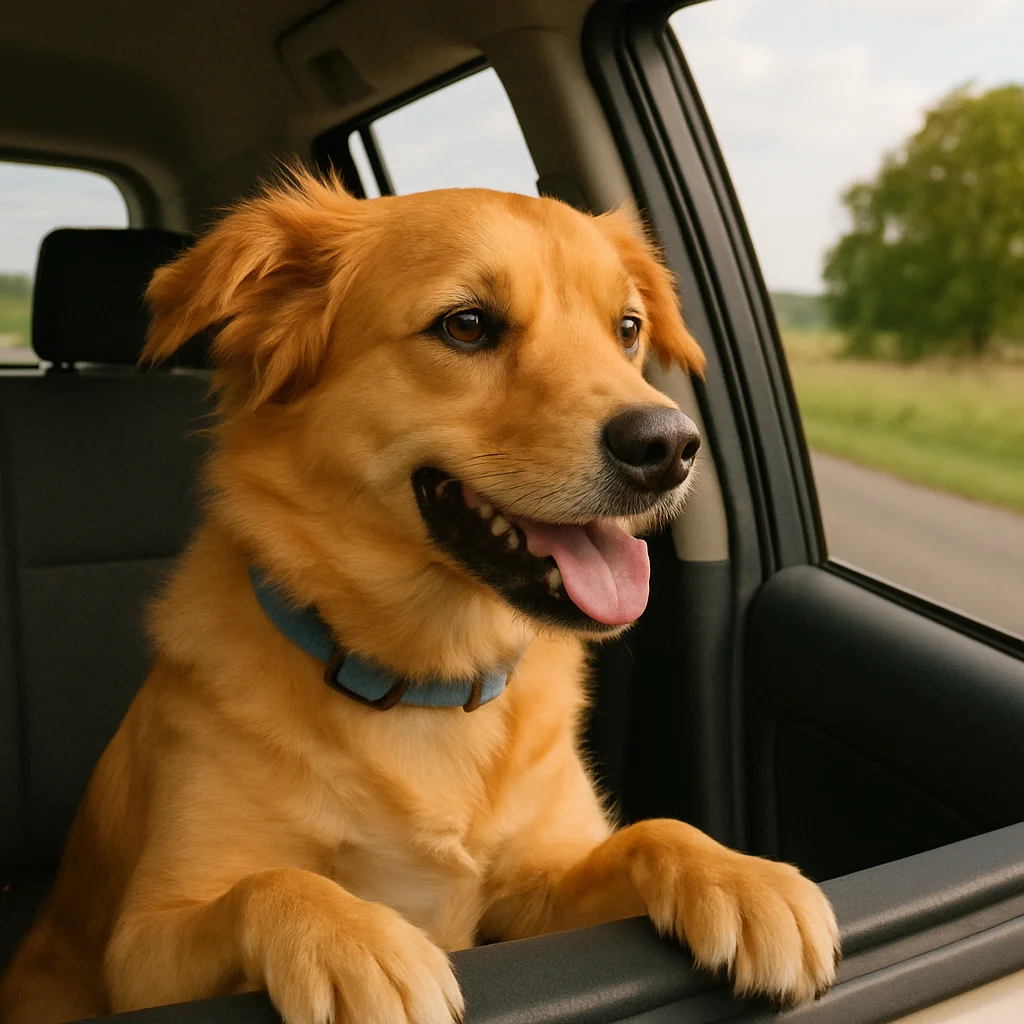
Moving can be a stressful experience for everyone involved, especially our furry friends. Pets are sensitive to changes in their environment, and a long-distance move can be particularly challenging for them. However, with the right preparation and care, you can help ease the transition for your pet and make the move as smooth as possible. In this guide, we’ll explore essential tips for preparing your pet for a long-distance move, ensuring their comfort and safety along the way.
Summary Start early with a vet check, updated vaccinations, and a plan to manage anxiety, then gradually acclimate your pet to car travel and a secure, well-ventilated carrier. Pack essentials food and water, medications, ID, leash, litter/waste supplies, favorite items, and a first-aid kit and keep routines consistent during the trip with scheduled breaks. Secure the carrier, regulate temperature, and use calming aids as needed. Upon arrival, introduce the new home gradually, re-establish regular schedules, and monitor for stress or behavior changes, consulting your vet if concerns arise.
Before embarking on your journey, it’s crucial to understand your pet’s specific needs. Different animals have different requirements when it comes to travel. For instance, moving with dogs and relocationg with cats have distinct preferences and tolerances for travel. Consider factors such as your pet’s age, health, and temperament to tailor your approach to their needs.
Assessing Your Pet’s Health
Schedule a visit to the veterinarian well in advance of your move. This check-up will ensure your pet is in good health for travel and give you a chance to update any necessary vaccinations. Your vet can also provide advice on managing travel anxiety and recommend any medications or supplements that may help keep your pet calm during the journey.
Acclimating to Travel
If your pet is not used to traveling, it’s essential to acclimate them to the experience gradually. Start by taking them on short car rides to help them get accustomed to the motion and sounds of a moving vehicle. Positive reinforcement, such as treats and praise, can help create a positive association with travel.
Preparing for the Journey
Once you’ve assessed your pet’s health and begun acclimating them to travel, it’s time to prepare for the journey itself. Planning ahead will make the trip more comfortable for both you and your pet.
Choosing the Right Travel Carrier
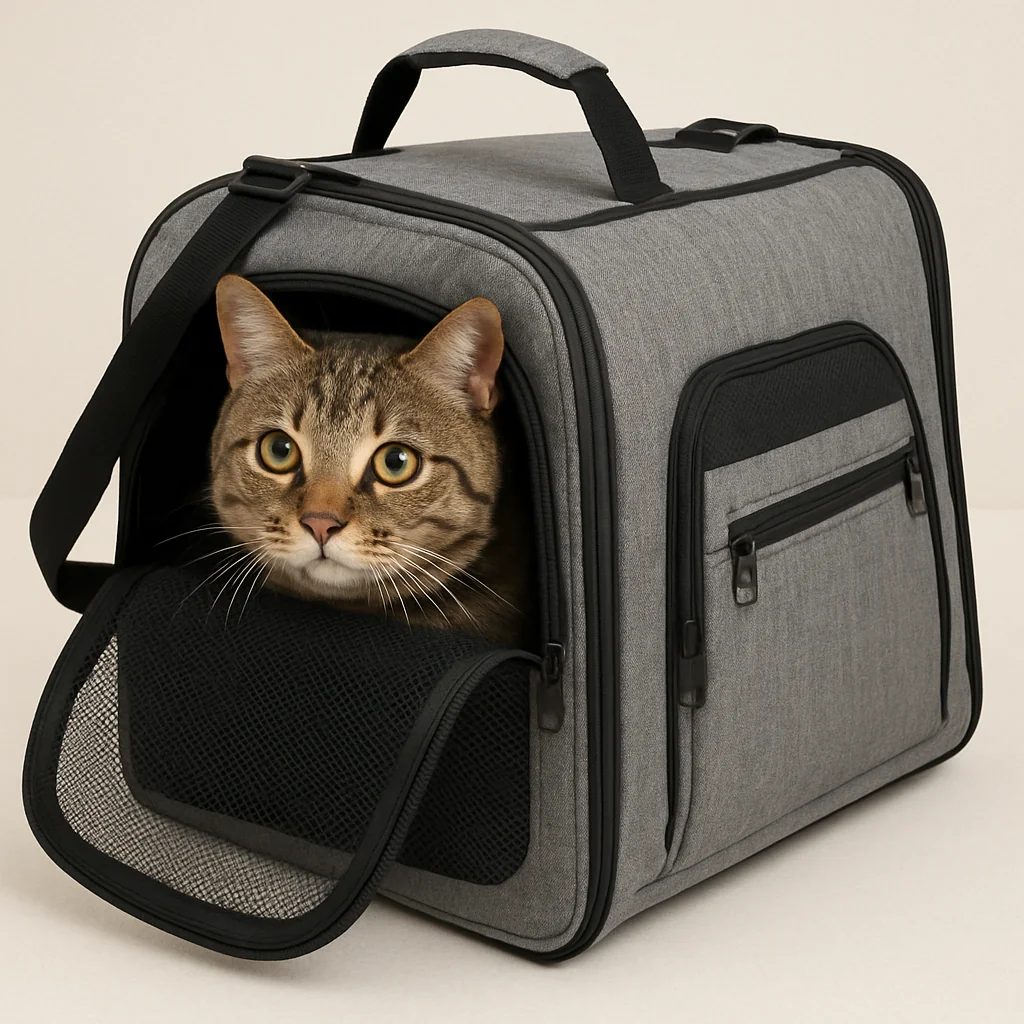
Select a sturdy, comfortable travel carrier that provides enough space for your pet to stand, turn around, and lie down. The carrier should be well-ventilated and secure to prevent any escapes. Familiarize your pet with the carrier by leaving it open in your home and encouraging them to explore it. Place their favorite blanket or toy inside to make it more inviting.
Packing Essentials
Make a checklist of essential items your pet will need during the move. This includes:
- Food and water bowls
- A sufficient supply of your pet’s regular food and bottled water
- Medications and supplements
- Leash and collar with identification tags
- Waste bags and litter supplies
- Favorite toys and blankets
- Pet first-aid kit
Having these items readily available will help maintain your pet’s routine and reduce stress.
During the Journey
Traveling long distances with a pet requires careful planning and consideration. Here are some tips to ensure a smooth journey:
Maintaining Routine
Pets thrive on routine, and maintaining their usual schedule can help reduce anxiety. Feed your pet at their regular times and provide bathroom breaks as needed. If you’re driving, plan your route to include rest stops where your pet can stretch their legs and relieve themselves.
Keeping Them Comfortable
Ensure your pet’s carrier is securely fastened in the vehicle to prevent any movement during the trip. Regulate the temperature inside the car to keep your pet comfortable, and never leave them unattended in a parked vehicle.
Managing Anxiety
Travel can be stressful for pets, and some may experience anxiety during the journey. Consider using a calming spray or diffuser designed for pets to help soothe their nerves. Playing soft music or offering a familiar toy can also provide comfort.
Arrival and Settling In
Once you’ve reached your destination, helping your pet adjust to their new environment is crucial.
Exploring the New Home
Allow your pet to explore their new home gradually. Start with a designated area where they can feel safe and secure. As they become more comfortable, introduce them to other parts of the house. Be patient and give them time to adjust at their own pace.
Re-establishing Routine
Re-establishing your pet’s routine will provide them with a sense of normalcy. Stick to their regular feeding, play, and exercise schedules to help them settle in more easily.
Monitoring Behavior
Keep an eye on your pet’s behavior during the transition period. Changes in appetite, bathroom habits, or behavior may indicate stress or discomfort. If you notice any concerning signs, consult your veterinarian for guidance.
Conclusion
Preparing your pet for a long-distance move requires careful planning and attention to their needs. By understanding your pet’s requirements, acclimating them to travel, and maintaining their routine, you can help ensure a smooth and stress-free journey. Remember to be patient and provide plenty of love and reassurance as your pet adjusts to their new environment. With the right preparation, you and your pet can embark on this new adventure with confidence.
